
- Hp Device Drivers
- Drivers Track Port Devices Download
- Drivers Track Port Devices Inc
- Com Port Drivers
- Drivers Track Port Devices Terminal
- Drivers Track Port Devices Gigabit
Virtual COM port (VCP) drivers cause the USB device to appear as an additional COM port available to the PC. Application software can access the USB device in the same way as it would access a standard COM port. This software is provided by Future Technology Devices International Limited “as is” and any express or implied warranties, including, but not limited to, the implied warranties of merchantability and fitness for a particular purpose are disclaimed. Microsoft provides a SCSI Port driver as a standard feature of the Microsoft Windows storage architecture. The SCSI Port driver streamlines the Windows storage subsystem by emulating a simplified SCSI adapter. Storage class drivers load on top of the port driver.
Before you begin
Driver updates for Windows 10, along with many devices, such as network adapters, monitors, printers, and video cards, are automatically downloaded and installed through Windows Update. You probably already have the most recent drivers, but if you'd like to manually update or reinstall a driver, here's how:
Update the device driver
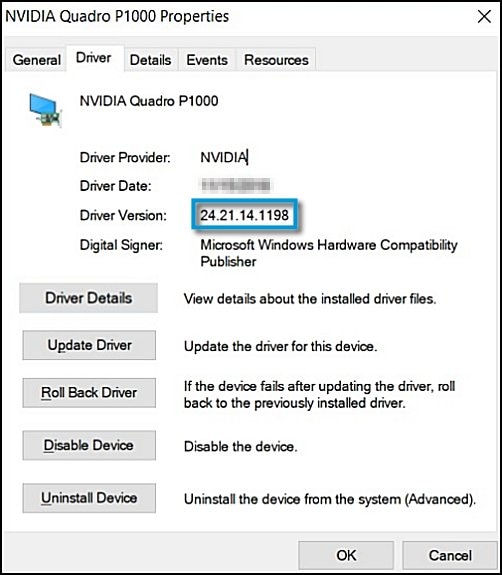
In the search box on the taskbar, enter device manager, then select Device Manager.
Select a category to see names of devices, then right-click (or press and hold) the one you’d like to update.
Select Search automatically for updated driver software.
Select Update Driver.
If Windows doesn't find a new driver, you can try looking for one on the device manufacturer's website and follow their instructions.
Reinstall the device driver
Hp Device Drivers
In the search box on the taskbar, enter device manager, then select Device Manager.
Right-click (or press and hold) the name of the device, and select Uninstall.
Restart your PC.
Windows will attempt to reinstall the driver.
Drivers Track Port Devices Download
More help
If you can't see the desktop and instead see a blue, black, or blank screen, see Troubleshoot blue screen errors or Troubleshoot black or blank screen errors.
-->Microsoft provides a SCSI Port driver as a standard feature of the Microsoft Windows storage architecture. The SCSI Port driver streamlines the Windows storage subsystem by emulating a simplified SCSI adapter. Storage class drivers load on top of the port driver. This means that you can write storage class drivers for Windows with minimal concern for the unique hardware features of each SCSI adapter.
The emulation capabilities of the SCSI Port driver also allow you to develop minidrivers that are much simpler to design and code than a monolithic port driver. In other words, using the SCSI Port driver allows you to focus on developing a miniport driver that handles the particular features of your adapter.

Drivers Track Port Devices Inc
To use the SCSI Port support routines, link to one of the SCSI Port support libraries, scsiport.lib or scsiwmi.lib. These SCSI Port libraries handle all interaction between the miniport driver and the hardware abstraction layers (HAL) of the operating system. Miniport drivers must not link directly to the HAL support library, hal.lib, nor should they link directly to the ntoskrnl.lib or libcntpr.lib support libraries. SCSI miniport drivers that do so are not eligible for a Windows logo.
Com Port Drivers
The following sections examine the key features of the SCSI Port driver.
A general discussion of SCSI Port miniport drivers is provided in SCSI Miniport Drivers.
Drivers Track Port Devices Terminal

Drivers Track Port Devices Gigabit
The Windows storage architecture also provides the Storport Driver, the recommended alternative to SCSI Port for high-performance devices.